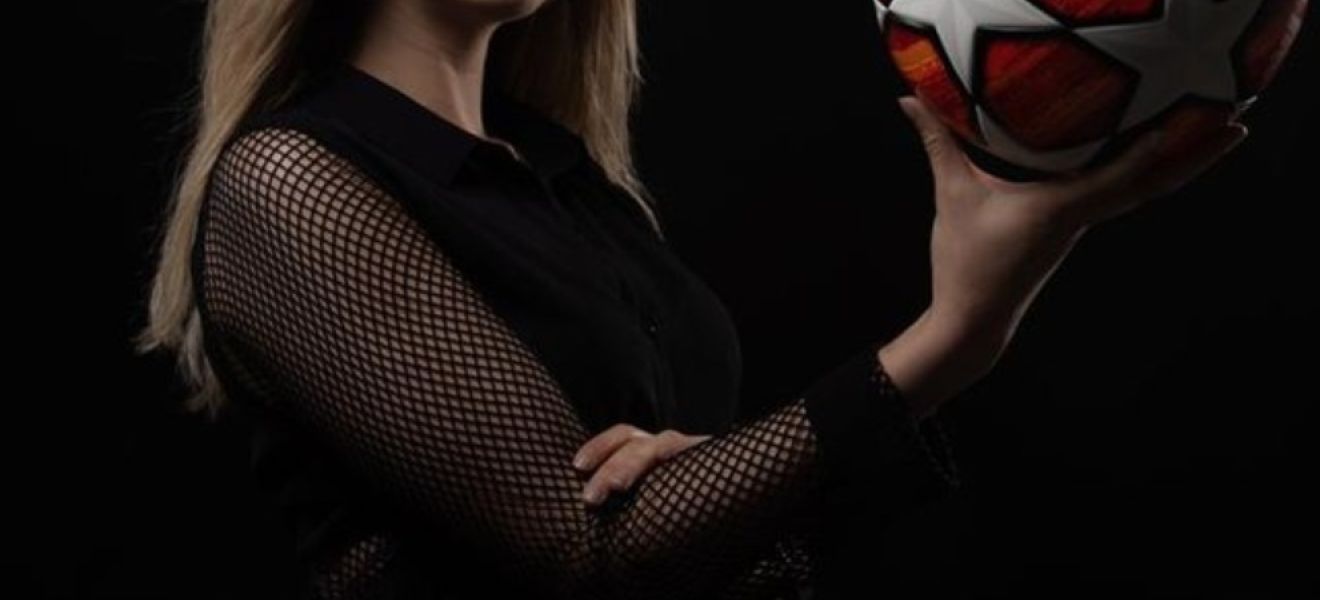
The Gender Divide in Football Commentary: Controversy, Opinions, and the Future of the Men’s Game
In England, football isn’t just a sport, it’s a cultural institution, a unifying force, and increasingly, a battleground for debate. One of the most divisive topics in recent years has been the rise of female commentators, presenters, and pundits in the men’s game. From Joey Barton’s fiery tirades to public spats involving high-profile figures like Laura Woods and Eni Aluko, the question of who should broadcast and analyse men’s football has sparked fierce opinions. Is it right that so many women now hold these roles? Or should the men’s game be the exclusive domain of former male players who’ve graced the Premier League’s biggest stages? Let’s dive into this simmering controversy.
The Rise of Women in Football Media
The landscape of football broadcasting has shifted dramatically. Names like Gabby Logan, Alex Scott, Eni Aluko, and Lucy Ward are now fixtures on Sky Sports, TNT Sports, and ITV, offering insights on everything from Premier League clashes to England’s international campaigns. This isn’t a token gesture, many of these women bring credentials that rival their male counterparts. Aluko, with over 100 England caps, and Scott, an Arsenal legend, have lived the game at elite levels. Logan’s decades of presenting experience span sports, while Ward’s co-commentary draws on her playing days and deep football knowledge.
Their presence reflects broader societal changes: the women’s game is booming, with the Lionesses’ 2022 Euros triumph and record WSL attendances signalling a hunger for inclusivity. Broadcasters, keen to tap into diverse audiences and shed football’s lads-only image, have embraced female voices. Yet, this shift has ignited a backlash, with critics arguing it undermines the authenticity of men’s football coverage.
Joey Barton and the Vocal Opposition
Enter Joey Barton, the ex-Manchester City midfielder turned outspoken provocateur. Since his 2023 sacking from Bristol Rovers, Barton has weaponised social media to rail against women in men’s football media. His most infamous outburst came in December 2023, when he labelled Aluko and Ward “the Fred and Rose West of football commentary” after an ITV broadcast, comparing them to serial killers in a remark ITV slammed as “vindictive” and “shameful.” Barton doubled down, insisting women “shouldn’t be talking with any kind of authority in the men’s game” and likening their roles to him commentating on “knitting or netball.”
Barton’s not alone. In 2023, former England boss Kevin Keegan stirred similar controversy, admitting he didn’t enjoy “ladies talking about the England men’s team” because their experiences didn’t align with the men’s game. Matt Le Tissier, another ex-player turned pundit, has echoed this sentiment, arguing men’s football should be covered by men, just as women’s football should feature female voices. For these critics, the issue isn’t just qualification, it’s identity. They believe only those who’ve played men’s football at the highest level can truly understand its nuances, speed, and physicality.
The Case for Male-Only Commentary
The argument for reserving men’s football commentary for ex-male players hinges on lived experience. Proponents say the Premier League’s intensity, its bone-crunching tackles, split-second decisions, and tactical chess can only be dissected by those who’ve been there. A former player like Gary Neville, with 602 Manchester United appearances, can recount the adrenaline of a title race or the sting of a dressing-room rollocking. Alan Shearer, with a record 260 Premier League goals, knows the striker’s craft inside out. Women, even those who’ve excelled in the women’s game, haven’t faced the same crucible, the argument goes.
There’s also a cultural angle. Football’s traditional fanbase, often male, working-class, and fiercely protective of the game’s heritage sometimes sees female voices as an intrusion, a “woke” imposition by broadcasters chasing diversity allocations. Barton has claimed TV companies prioritise “box-ticking” over merit, sidelining ex-players like him for less-qualified women. For some, it’s about preserving a masculine sanctum in a world they feel is eroding it.
The Counterargument: Talent Over Gender
Yet, the pushback against this view is robust, and growing. Critics of Barton and co. argue that commentary isn’t about reliving a playing career; it’s about analysis, communication, and insight. John Motson and Martin Tyler, two of football’s most revered commentators, never played professionally, yet their voices defined generations. If experience isn’t a prerequisite for men, why should it be for women? Aluko’s tactical breakdowns, Scott’s articulate punditry, and Ward’s real-time commentary often outshine the cliched grumblings of some ex-player pundits, think Michael Owen’s monotone or Robbie Savage’s bravado.
Women in these roles also bring fresh perspectives. The men’s game isn’t a monolith; it’s enriched by diverse voices who see beyond the old boys’ club. Scott, for instance, bridges men’s and women’s football, offering a dual lens that resonates with younger fans. And let’s not forget: many female broadcasters have studied the game obsessively, trained as journalists, or played at elite levels. To dismiss them as “tokenistic” ignores their grind.
The data backs this up. A 2023 YouGov poll found 68% of UK football fans were comfortable with female pundits on men’s games, with only 14% strongly opposed. Broadcasters like Sky and the BBC report rising viewership, suggesting women in these roles aren’t alienating fans, they’re enhancing the product.
The Barton Backlash and Beyond
Barton’s rants haven’t gone unchallenged. Laura Woods, a titan of sports presenting, dismantled him with a viral quip in 2023, while Aluko revealed she fled the UK in 2024, fearing for her safety after his attacks, a chilling reminder of how rhetoric can spill into real-world harm. The UK sports minister, Stuart Andrew, branded Barton’s comments “dangerous” in 2024, vowing to tackle social media platforms hosting such vitriol. Even Rishi Sunak, then Prime Minister, called the anti-female stance “ridiculous,” championing inclusivity.
This isn’t just a culture war skirmish; it’s a test of football’s soul. Should the men’s game be a fenced community for ex-players, or a meritocracy open to all? The irony is that Barton, a one-cap England player with a modest career, demands “credibility” while dismissing women who’ve achieved more. His real gripe, some suggest, is personal: out of work and overlooked, he’s lashing out at a changing industry.
The Future: Balance or Battle?
Therefore, should men’s football be broadcast solely by ex-male players? The purist case has merit, there’s an undeniable authenticity to hearing Neville dissect a backline he once marshalled. But talent isn’t gendered. The best coverage blends experience with expertise, regardless of who delivers it. A panel of Neville, Scott, and Roy Keane would outshine one stuffed with mediocre ex-pros any day.
The controversy won’t fade soon. As women’s football grows, so will the pool of female talent crossing into men’s coverage, think Leah Williamson or Keira Walsh in 20 years. For now, the likes of Barton are loud but increasingly outliers. Football thrives on passion and debate, not exclusion. The men’s game doesn’t need a boys-only sign, it’s big enough for everyone who earns their spot. Whether that’s through a mic or a pundit’s chair, the final whistle should judge performance, not prejudice.